



 Sightseeing
 Activities
 Tours & Courses



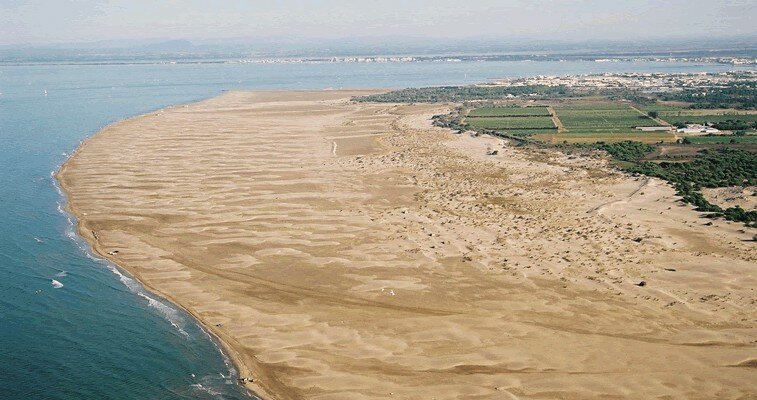
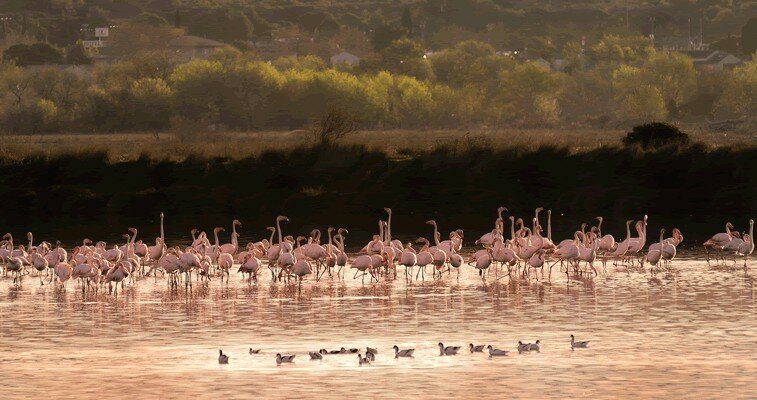
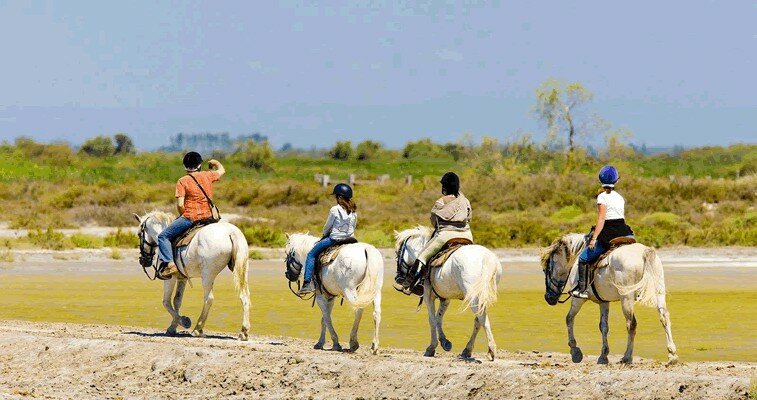

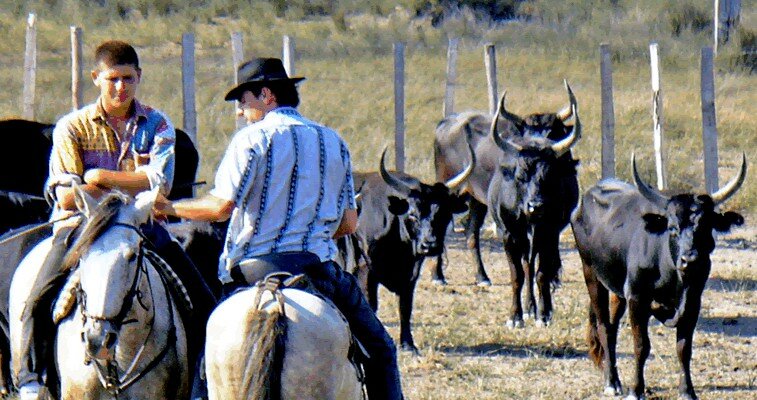
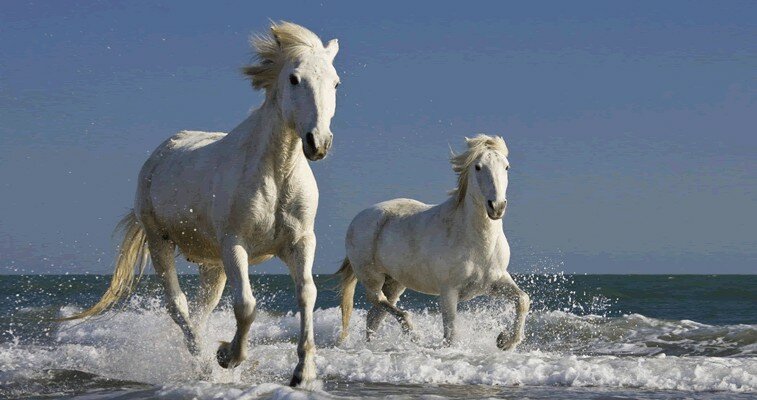


 The Camargue, Western Europe's largest river delta, covers an area of over 900 square kilometers - a wild landscape of red salt lagoons teeming with flamingoes, reedy marches and rice paddies, herds of wild white Camargue Horses and farms where Europe's only cowboys - the Gardiens - raise fighting black bulls for the bullrings of Languedoc and Spain.
 Separated from the rest of France by 140,000 hectares of wetlands, pastures, dunes and salt flats, the Camargue is peopled by French cowboys (gardians) and cowgirls (gardians) who could have come straight from the wild west. They wear cowboy boots, moleskin jeans, spurs, and wide-brimmed, flat-topped hats.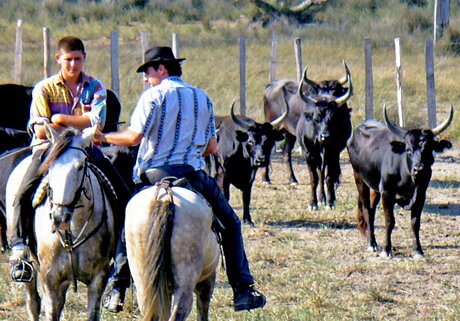

-
DESTINATIONS
-
ACTIVITIES
-
TOURS
FEATURED LISTINGS:
|
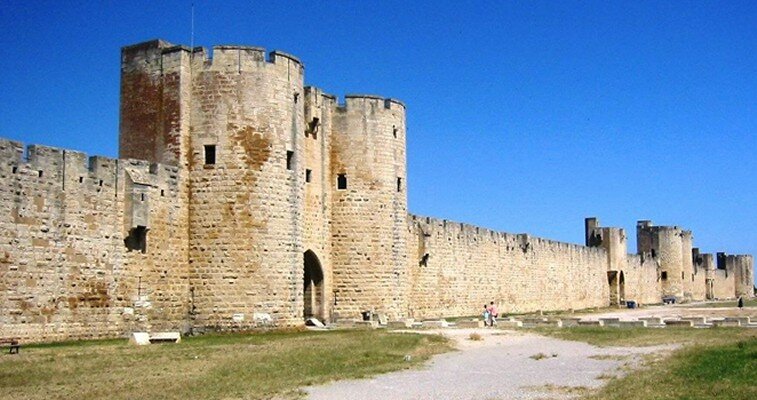
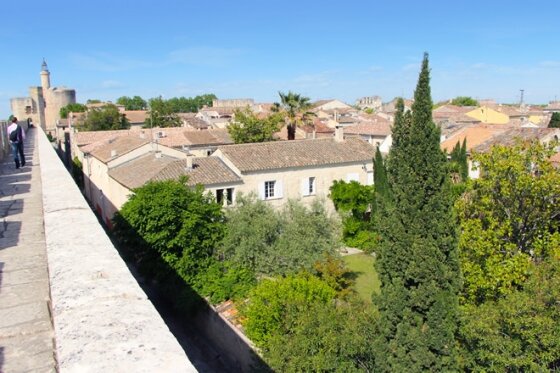
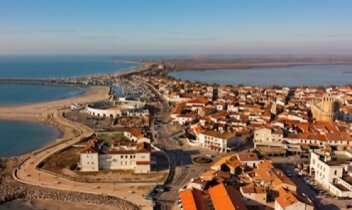
Aigues Mortes - Walled Town
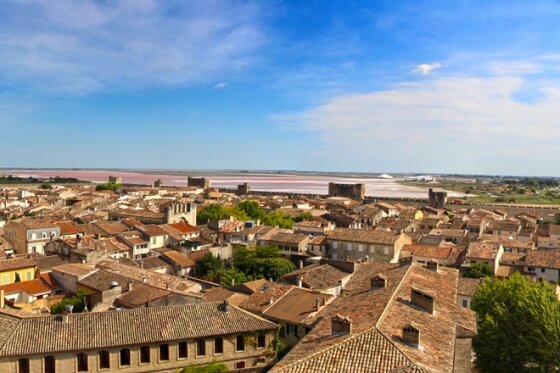
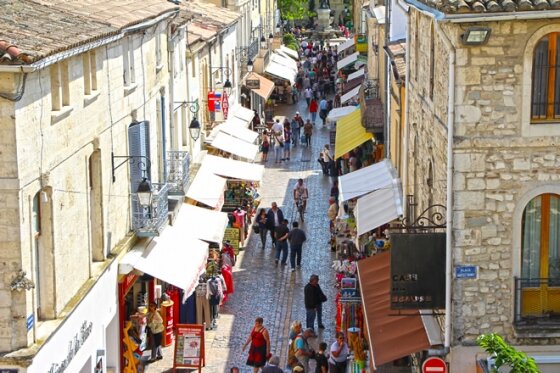
Aigue-Mortes is a stunning walled town set back from the coast. It was at one time on the coast, built by Louis IX in the 13th century as a port for departing crusaders |
 |
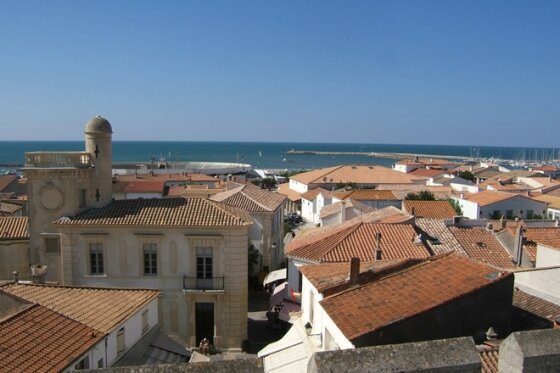
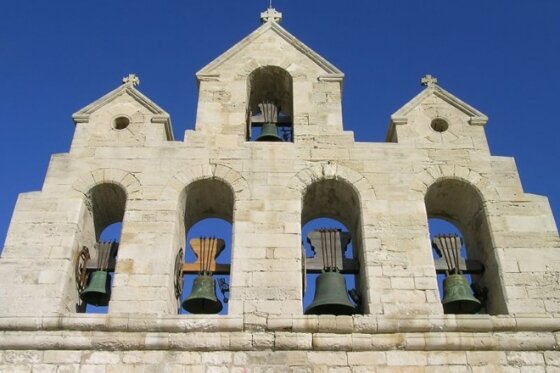
Saintes-Maries-de-la-Mer - Town
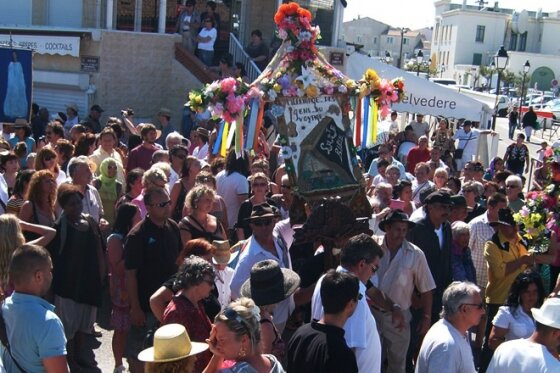
The heart of the Camargue lies fair and square in Les Saintes-Maries-de-la-Mer (“Les Saintes” pop: 2,000). This little town is right on the sea and in spite of being grossly commercialised, manages to remain charming, authentic and pretty. |
 |
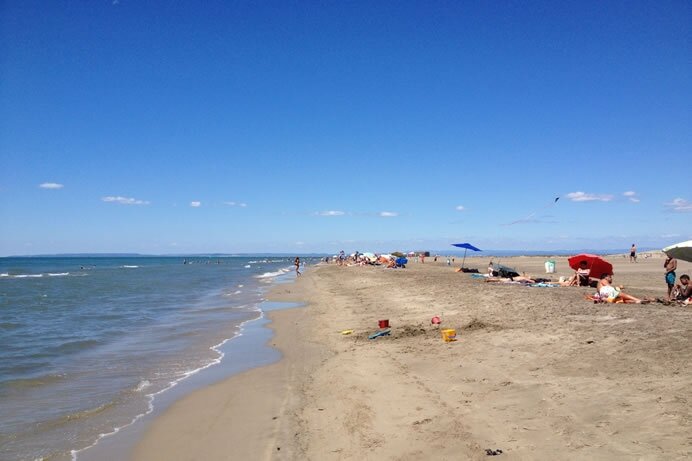
Espiguette Beach West (3 stars)
|
|
Espiguette Beach East (3 stars)
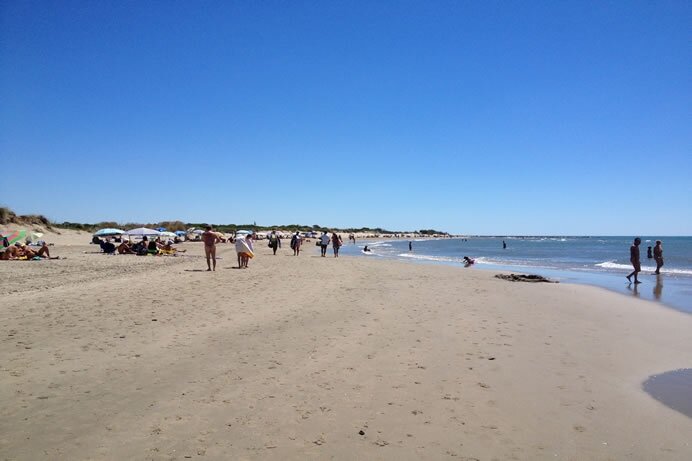
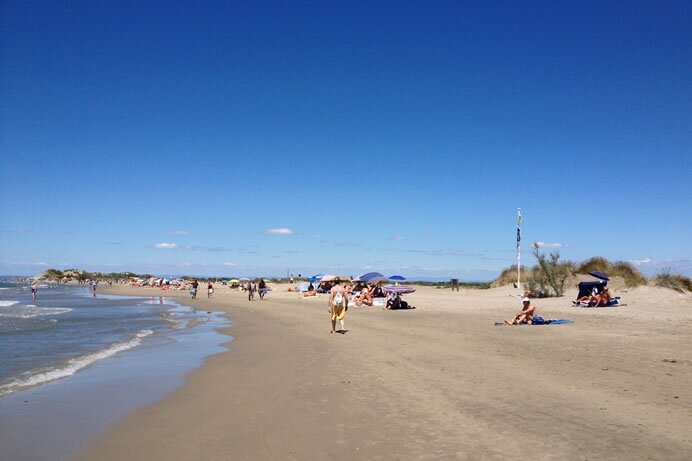
Espiguette is Languedoc’s largest and wildest beach, and its most famous. The eastern end is thinner and less crowded, and mostly nude - but don’t expect to find any beach bars. |
STANDARD LISTINGS:
 |
Camargue Découverte - 4x4 Safari Tours
|
 |
Les Poissons d'Argent - Camper Fishing Holidays
|
 |
The Camargue Fishing Center
|
 |
Musée Camarguais
|
 |
Indiana Rivers Loisir - Leisure Park
|
 |
Pony Ranch - Horse Riding
|
 |
La Cabane du Daladel - Horse Riding
|
 |
Ranch Adventure - Pony Riding
|
 |
Cévennes - Helicopter Rides
|
 |
Theatre Equestre Camarkas - Equestrian Show
|
 |
Museé de la Camargue
|
 |
Cryptoportiques - Underground Roman Tunnels
|
 |
Pont de Gau - Ornithological Park
|
 |
Musée Reattu - Art Museum
|
STANDARD LISTINGS:
 |
Tikki III - Camargue Boat Tour
|
 |
Les Calèches de Camargue - Horse-drawn Cart Tour
|
 |
La Salin du Midi - Train Ride
|
 |
En Vadrouille - Guided Tours
|


