 |
The Cathars sort refuge in castles now known as 'Cathar Castles'
|
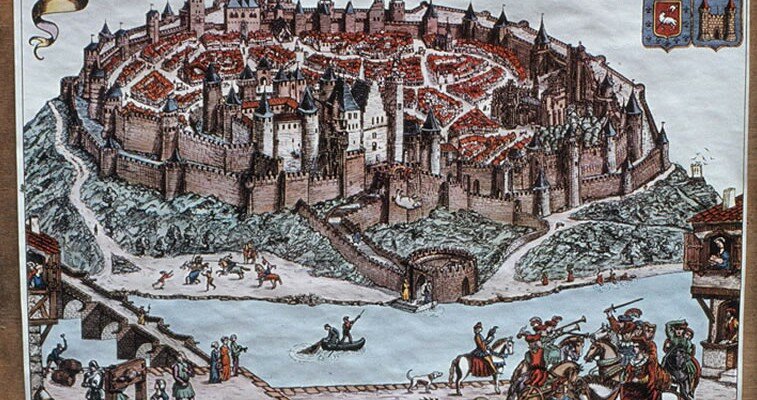
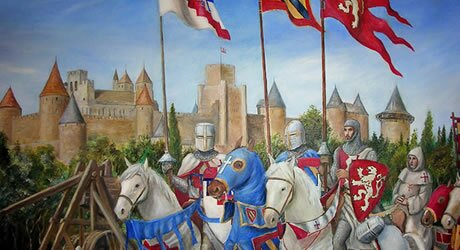
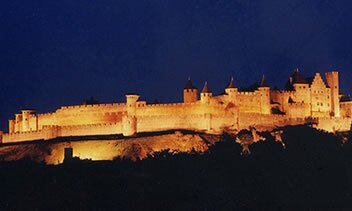
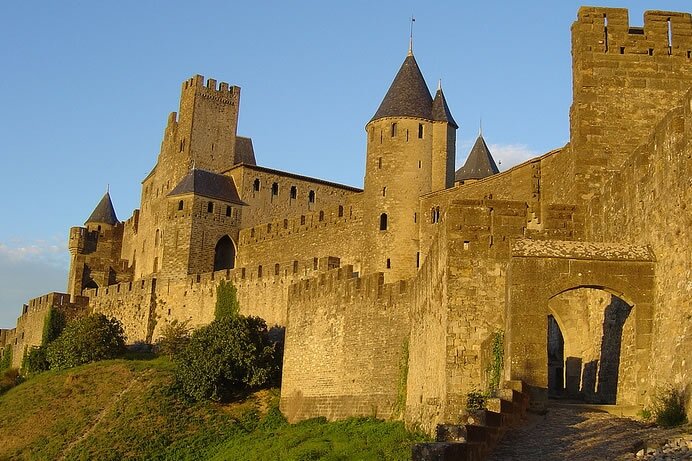
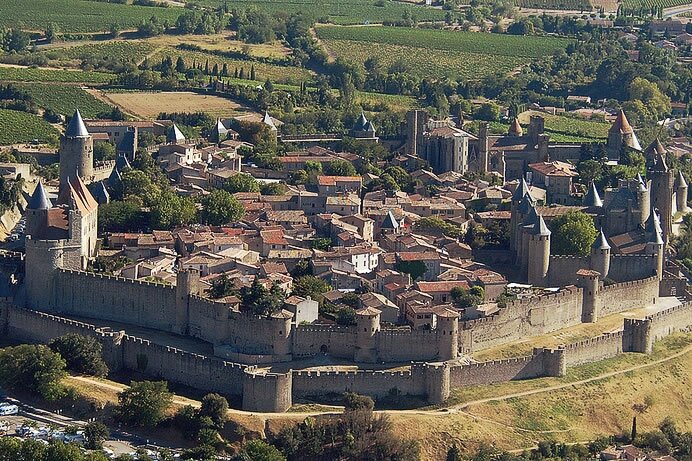
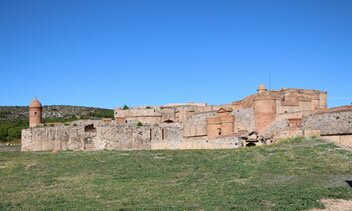
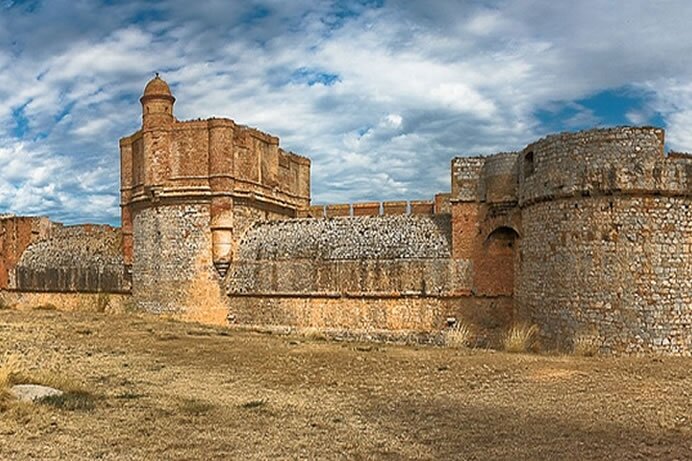
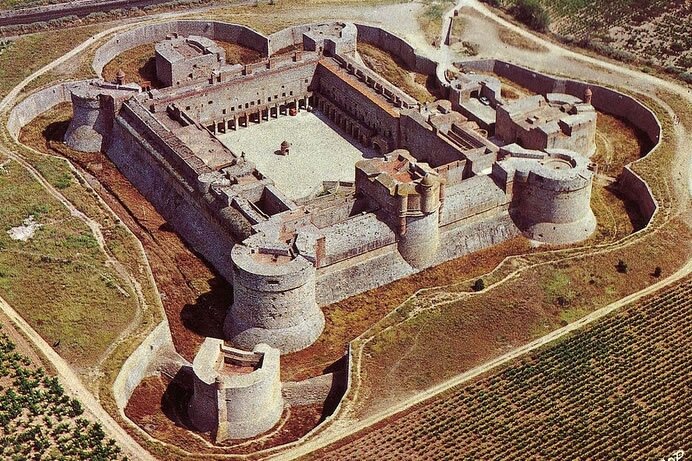
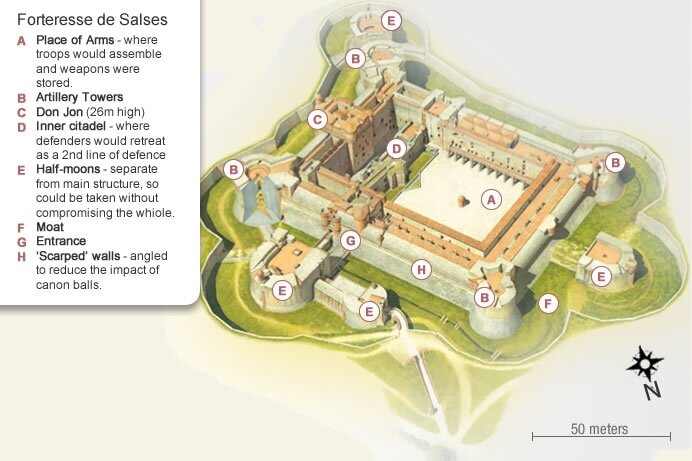
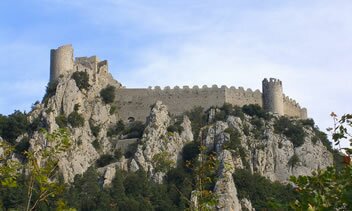
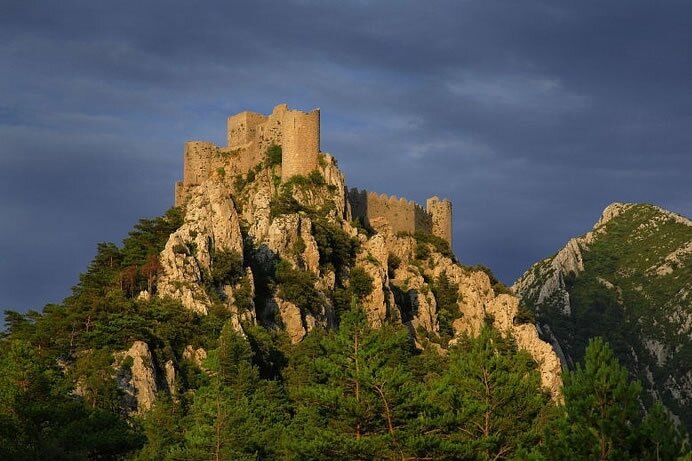
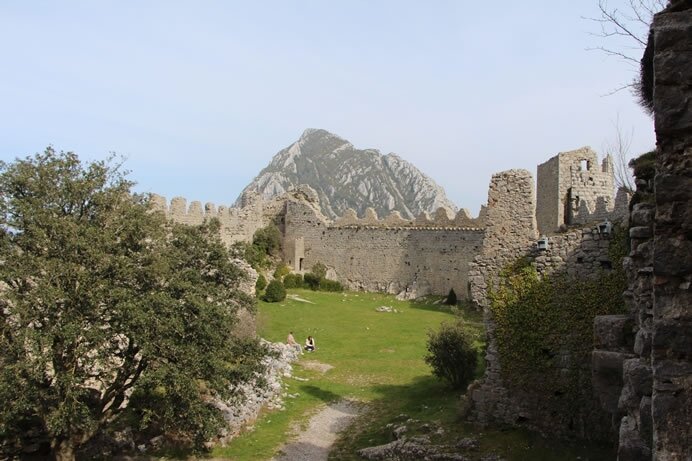
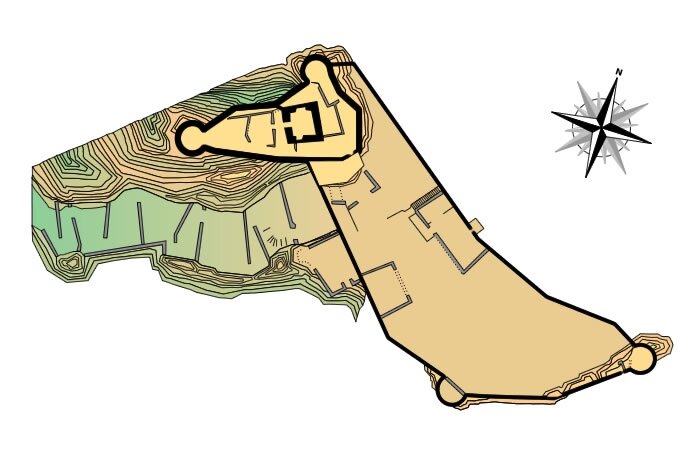
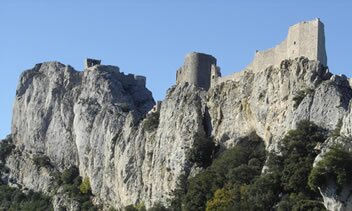
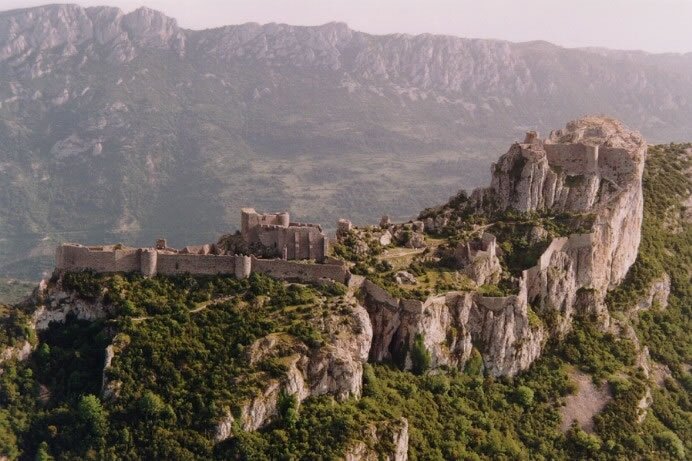
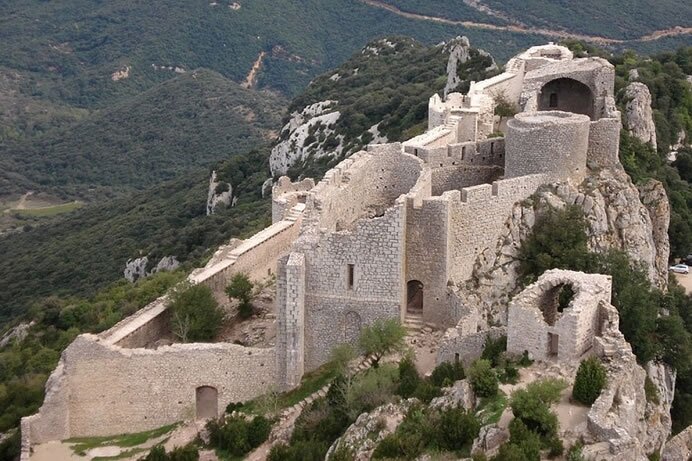
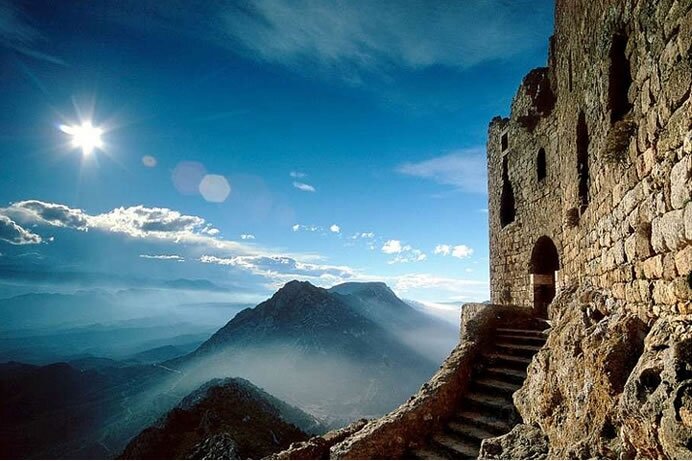
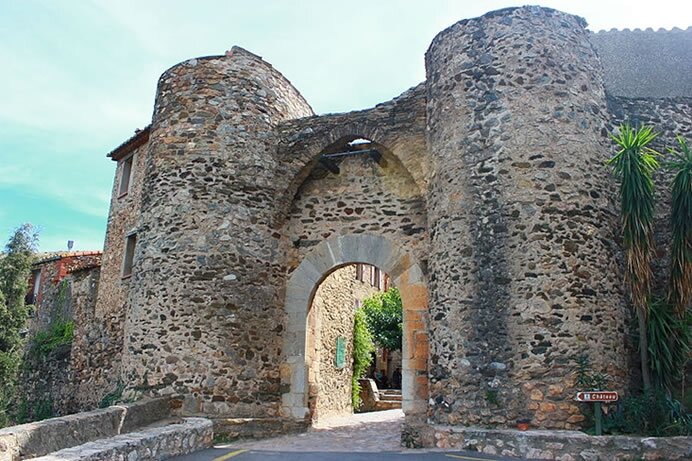
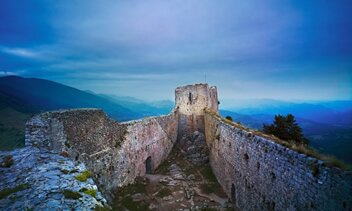
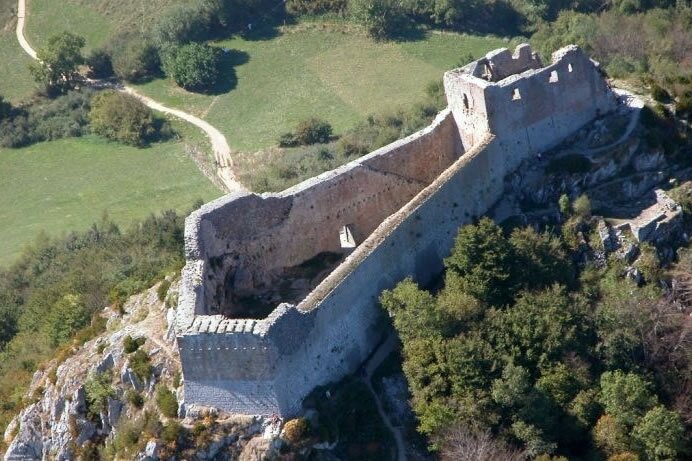
It’s important to note that, despite all the talk of ‘Cathar Castles’ - the castles of Languedoc were not built for or by the Cathars. They were built by local lords for the very same reasons castles were being built across Europe - to protect territory. The ‘Cathar Castles’ perched on rocky outcrops in the Aude and Pyrénées-Orientales departments were constructed by both the Spanish and the local knights of Languedoc to keep each other’s armies at bay. As were the Châteaux of Salses and Castlenau. Similarly, the citadel at Carcassonne was enlarged primarily as a bulwark against the Spanish at the western end of Languedoc. This is why Languedoc’s castles are all situated in the south and west of the region. The moniker ‘Cathar Castles’ came purely from the fact that these defensive structures were used temporarily by the Cathars as refuge from marauding crusaders. Tragic and romantic in equal measure, the poignant image of the devout followers of a simpler religion huddled within the battlements of castles atop windswept mountains - arrows and boulders raining down on them - has lingered over the years. So powerful has the imagery been that Languedoc’s castles are now primarily known and marketed as ‘Cathar Castles’ - a booming sector of France’s tourism industry was born.
The Languedoc and Roussillon regions were not part of ‘France’ during medieval times. The still relatively small kingdom of France was confined to the region around Paris. In fact, Languedoc or ‘Occitanie’ was a collection of smaller states, their borders and allegiances constantly shifting, each ruled by its own noble family. This was the heart of ‘Troubadore’ country, one of the richest cultural scenes in Europe, with ideas drifting in westward from Italy and Eastern Europe, and from the south via Catalonia and the Kingdom of Aragon. It was from the east that an idea seeped into the region’s culture that set the scene for one of Europe’s biggest culture clashes. That idea was ‘Catharism’ - an alternative and competing idea of Christianity to Catholic orthodoxy. It is said to have originated amongst Gnostic Christians in Persia, and spread slowly westwards via Byzantium up into northern Italy, southern Germany and then into southern France. Suffocated by the corruption and overbearing arrogance of the Catholic church, Catharism found fertile ground in Languedoc, its simpler, less garish, less corrupt, less power-hungry and more egalitarian take on God appealing to a population tired of being trampled upon by greedy priests and bossy bishops. At first ignored, it was eventually quashed by a ‘crusade’ unleashed from Rome - which was in actual fact a thinly-veiled excuse for northern knights to carry out a bloody land-grab which, eventually, extended the borders of ‘France’. Catharism didn’t produce the area’s castles, but it did imbue them with a million-dollar aura of tragedy and heroism.
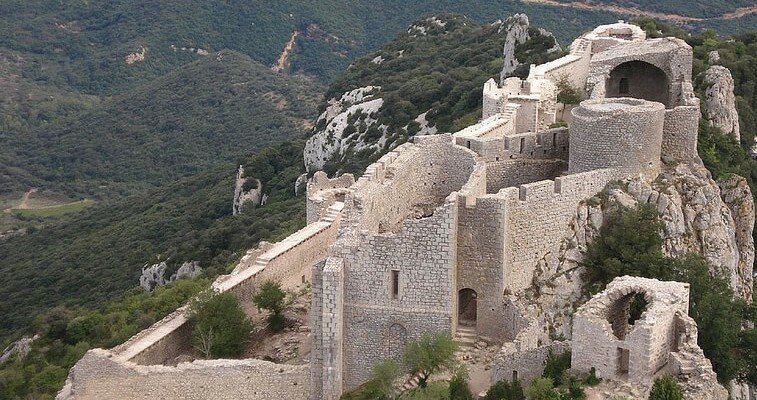
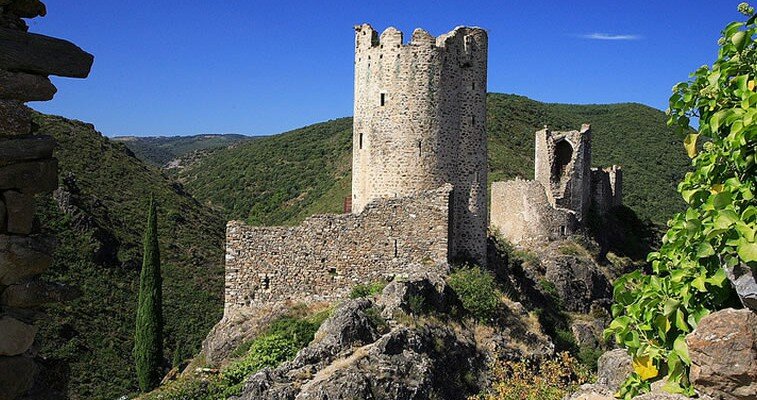
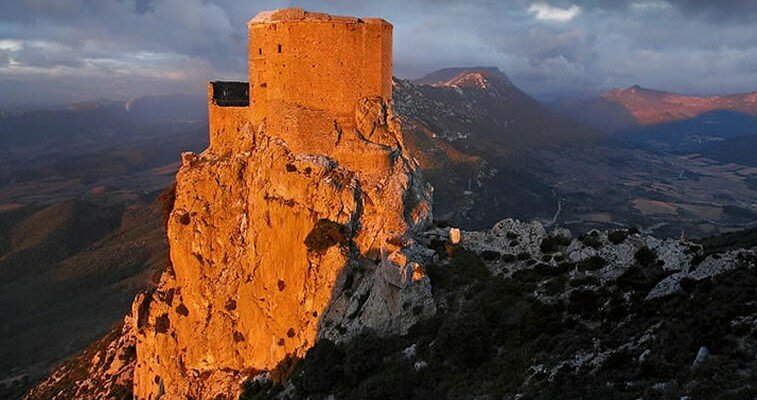
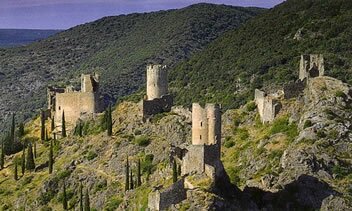
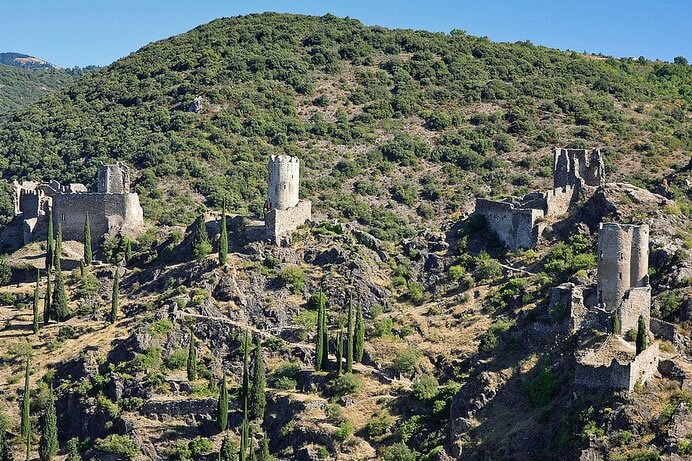
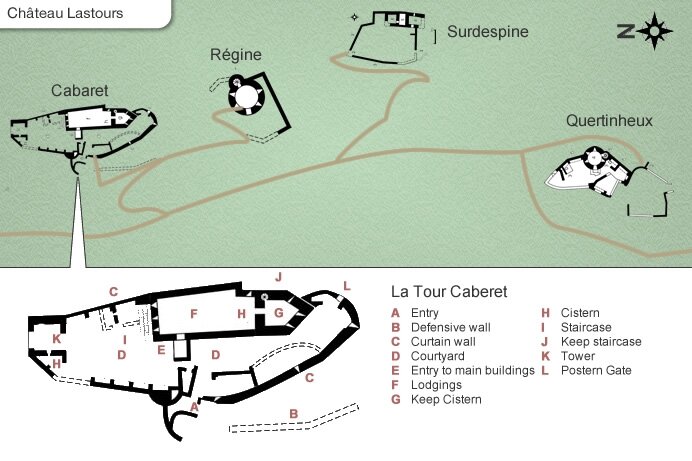
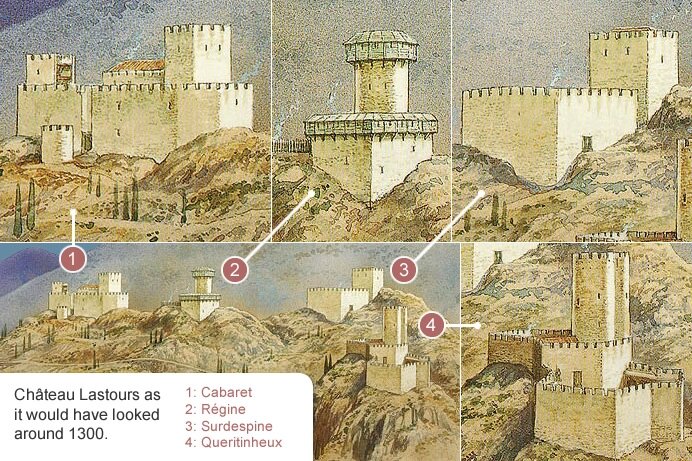
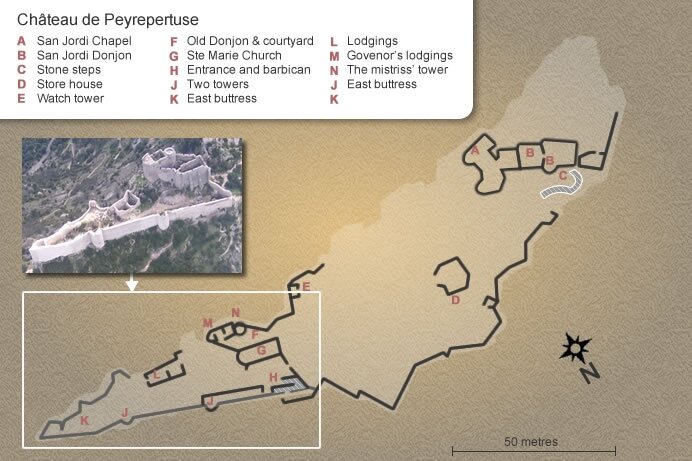
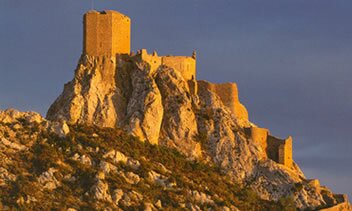
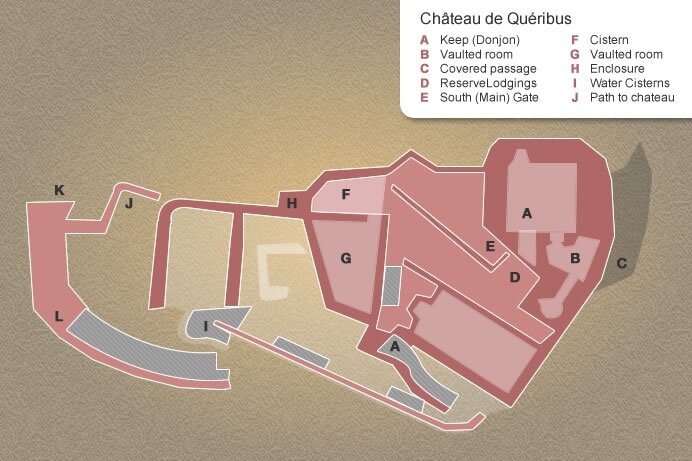
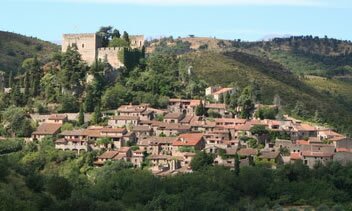
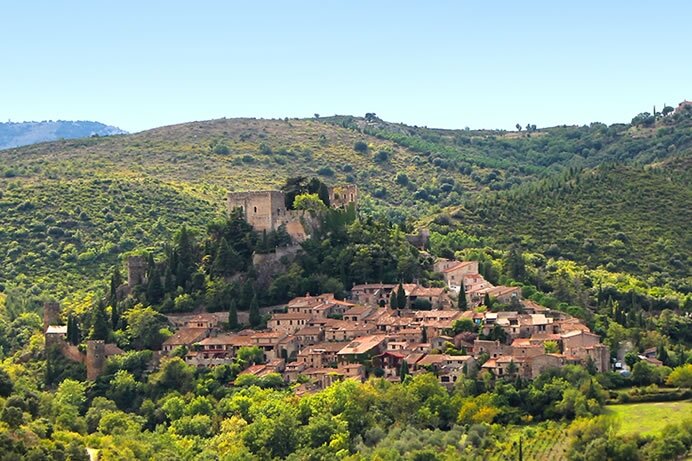
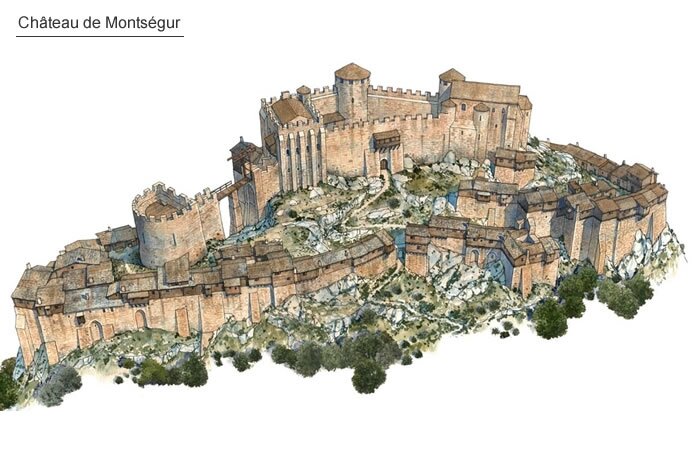
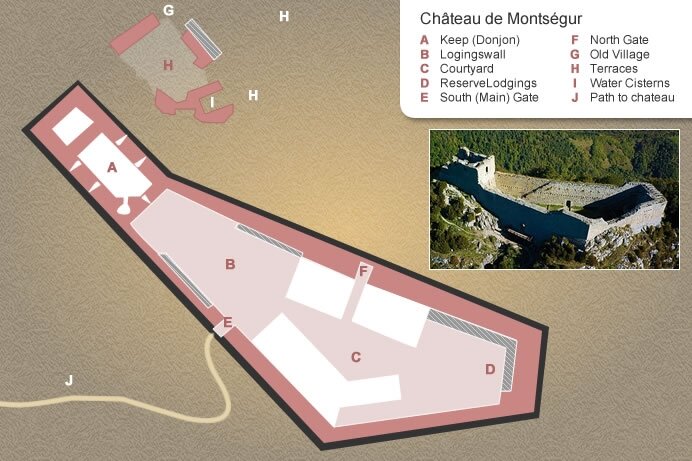
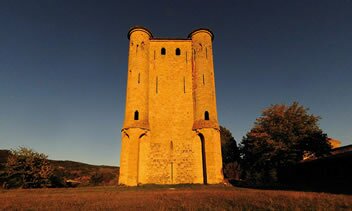
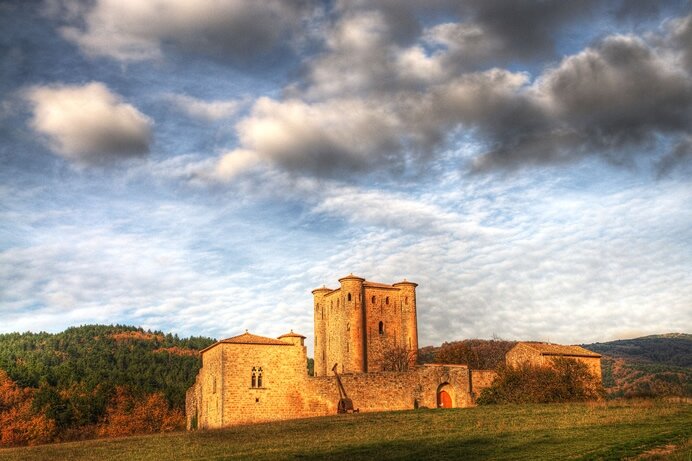
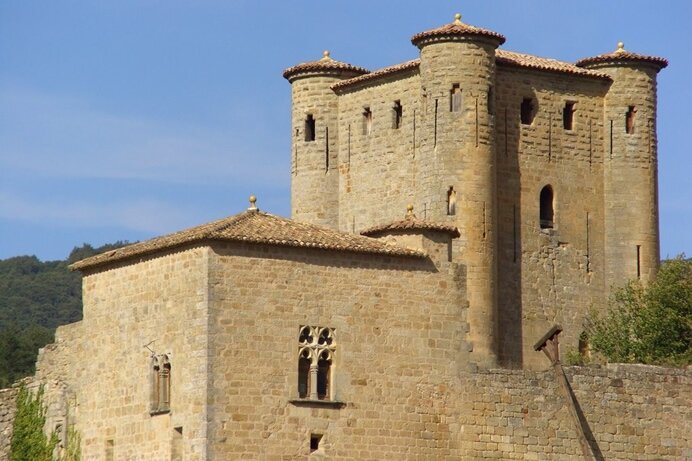
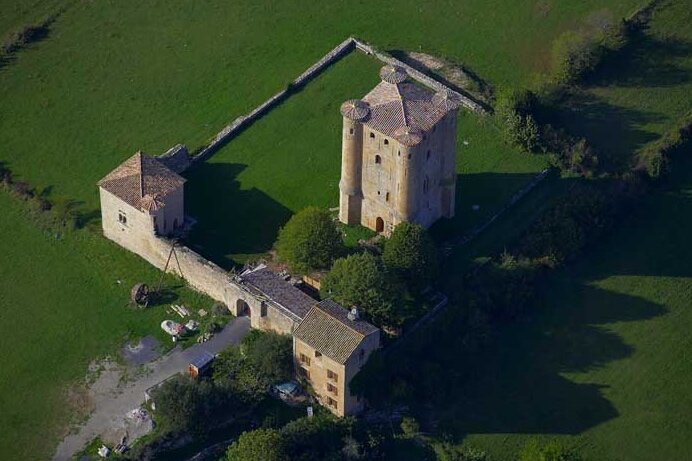
As always, we have cherry-picked what we feel are the most interesting and impressive of the region’s castles. Of the ‘Cathar Castles’ - we have chosen Carcassonne’s Citadel of course - due to its sheer size and magnificence. Of the smaller, more atmospheric Cathar castles, we’ve chosen Quéribus, Peyrepertuse, Puilaurens and Las Tours - because they’re all relatively well intact, easy to access and have interesting histories. Château d’Arques is included because it’s such an interesting, elegant design. And Montségur because it was supposedly the ‘last stand’ of the Cathars. Of the non-Cathar castles, we’ve included Salses because it’s such a good example of a late-Medieval castle, with its low, compact structure designed to resist canon balls. And Castelnau - because the castle and its skirt of village is just so stunning from a distance, and the village has some lovely artisanal shops.